Concentrates
Why Live Resin Hits Different: A Deep Dive
Live resin preserves terpenes that other extraction methods destroy. Here is why that matters for your experience.
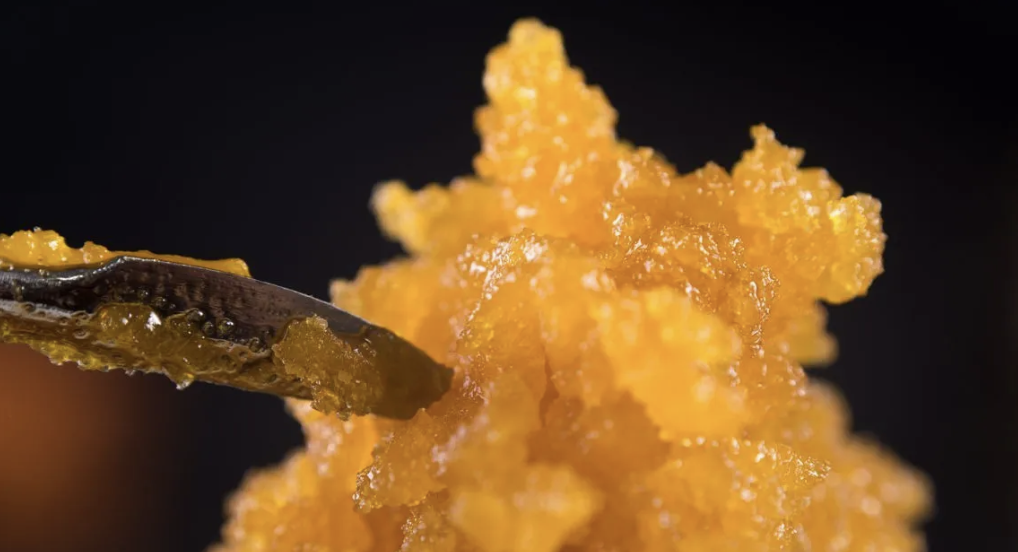
Anyone who has spent time comparing concentrates has probably noticed that live resin gets discussed a little differently than everything else on the shelf, and once you understand how it's made, that distinction starts to make a lot more sense. Most concentrates begin with flower that has been dried and cured over several weeks, a process that has served the industry well for a long time but that also gives the plant plenty of opportunity to lose some of what made it distinctive in the first place. Live resin sidesteps that window almost entirely, which is really the whole story behind why it tends to smell and taste the way it does.
Rather than waiting for plant material to dry, producers flash freeze it soon after harvest, sometimes within hours of being cut down. That single choice changes a lot. Freezing slows the chemical changes that would otherwise happen as the plant loses moisture, so what eventually gets extracted looks much more like the plant did while it was still growing than what typically survives weeks of curing.
That matters most when it comes to terpenes, the compounds behind the aroma and flavor that make different strains feel so distinct from one another. They happen to be fairly fragile, breaking down when exposed to heat, light, or simply time, which is a big part of why flower that has been sitting in storage for a while often smells noticeably flatter than something freshly harvested. Because live resin captures the plant before that breakdown has much chance to happen, it tends to hold onto a fuller and more nuanced range of those aromatic compounds than concentrates made from cured material.
One detail that tends to catch people off guard is just how sensitive terpenes really are. Some of them start evaporating at ordinary room temperature, long before any heat is intentionally applied during processing. That is part of why live resin production leans so heavily on carefully controlled, cold environments from the moment the plant is harvested all the way through extraction. Protecting the aroma turns out to be less about the extraction method alone and more about limiting exposure at every step along the way.
The texture you end up with in a jar of live resin says more about how it was handled than anything else. Depending on how it is whipped or left to settle, it might come out as a loose, pourable sauce, a thicker badder, or a jar where sauce and diamonds separate naturally on their own. None of those textures is inherently better than another, since they largely reflect moisture content and handling choices rather than differences in quality.
Knowing a bit about how a concentrate is made can genuinely change how you shop, especially if you are curious about why aroma and flavor can vary so much from one strain to the next. If you would like to see what is currently available, ask your budtender about our live resin selection. Our inventory rotates often, and they are always happy to talk through the different textures and strains on the shelf that week.
*Must be 21+ to purchase. Please consume responsibly.